


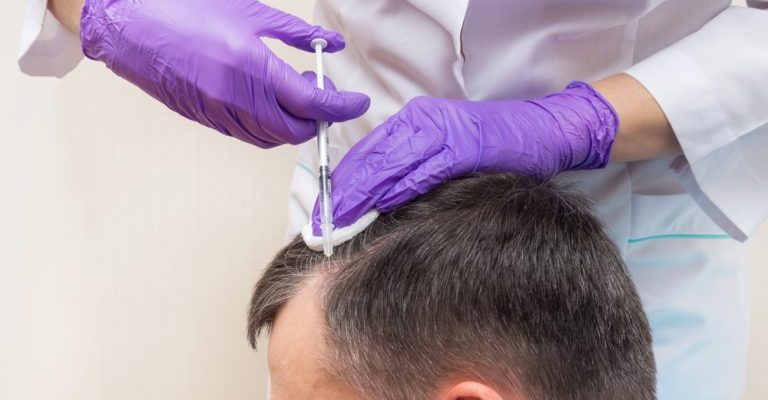
PRP hair treatment uses platelet-rich plasma prepared from a small sample of your own blood, injected into thinning areas of the scalp to help existing follicles stay in their growth phase for longer. It is used mainly for early to moderate hair loss and to support native hair around a hair transplant. A typical plan starts with 3 sessions, 4 to 6 weeks apart, and in Turkey a session usually costs $150 to $300.
I am Dr. Mehmet Erdoğan, co-founder of Smile Hair Clinic in Istanbul and an associate member of the International Society of Hair Restoration Surgery (ISHRS). PRP is one of the most widely used non-surgical hair treatments, and in the right patient it can make a visible difference. But it strengthens follicles that are still alive, it cannot bring back ones that are gone. This page explains how PRP works, who it suits, how many sessions are needed and what results to expect.
| PRP hair treatment at a glance | What to expect |
|---|---|
| What it is | Concentrated platelets from your own blood, injected into the scalp |
| Main goal | Reduce shedding and strengthen thinning hair |
| Best suited for | Early to moderate androgenetic alopecia, support around a transplant |
| Session length | About 45 to 60 minutes including preparation |
| Typical course | 3 sessions, 4 to 6 weeks apart, then boosters every 6 to 12 months |
| Downtime | None |
| First results | Less shedding after a few weeks, density changes at 3 to 6 months |
| Typical price in Turkey | $150 to $300 per session |
What Is PRP Hair Treatment?
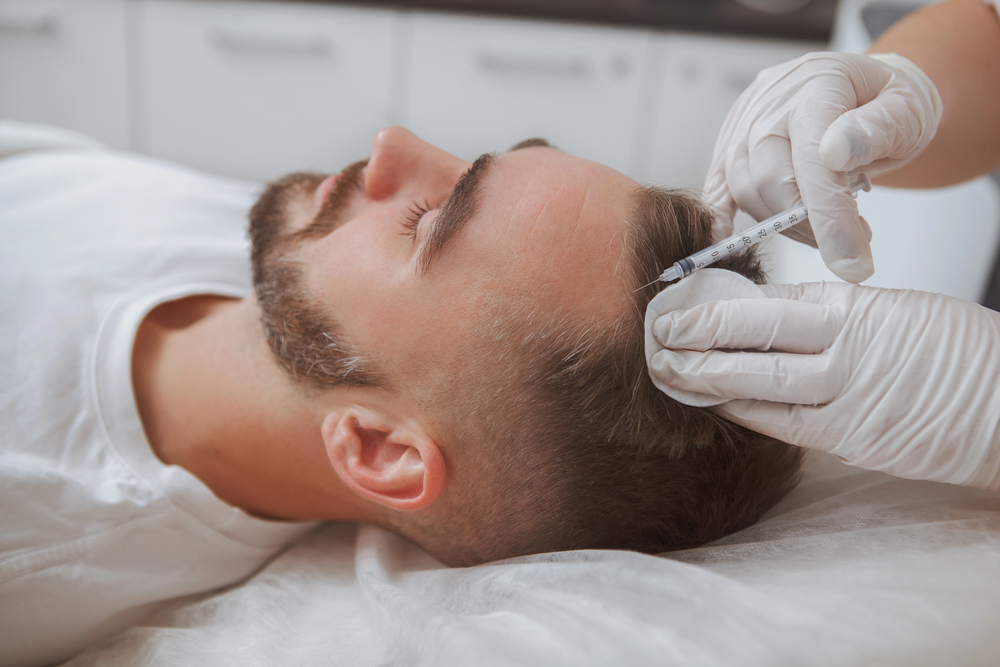
PRP hair treatment is a procedure in which your own blood is processed to concentrate its platelets, and the resulting plasma is injected into the scalp. Platelets carry growth factors that play a role in tissue repair, and placing them close to the follicles is intended to support weakened follicles and help them spend longer in the active growth phase.
Because PRP comes from your own body, the risk of an allergic reaction is very low. It is not a cure for genetic hair loss, but as part of a wider plan it can slow thinning and improve hair quality.
Who Is a Good Candidate for PRP Hair Treatment?
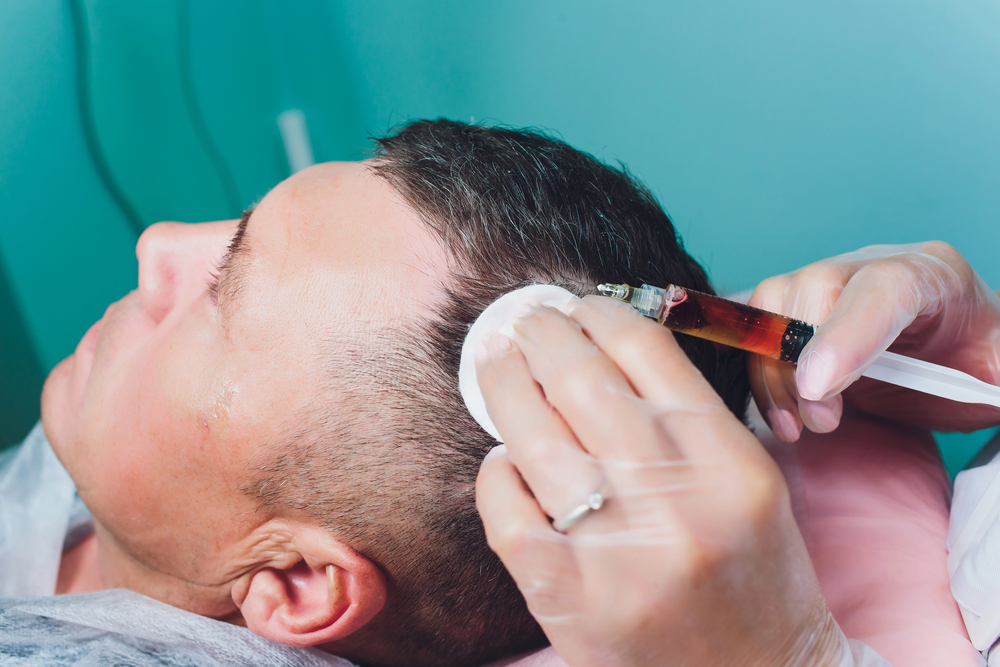
The best candidates have early to moderate thinning where the follicles are still alive, even if the hairs they produce have become finer. In men this usually means a receding hairline or thinning crown around Norwood Type 2 to Norwood Type 4, and in women a widening parting or diffuse thinning on top. People with active shedding and those who want to delay or avoid surgery also benefit. Women considering all their options can read the female hair transplant page.
PRP is not effective on smooth, shiny bald areas, because there are no follicles left to respond, and those areas need a hair transplant. It is also not suitable for people with platelet or bleeding disorders, active scalp infections, some blood-thinning treatments, uncontrolled autoimmune conditions or during pregnancy, so every patient is assessed first.
How Is PRP Hair Treatment Performed?
A session takes about 45 to 60 minutes in total and has three steps.
First, a small amount of blood is drawn from your arm, much like a routine blood test. The blood is then spun in a centrifuge to separate the platelet-rich plasma from the other components. Finally, the scalp is cleaned and the plasma is injected into the thinning areas at a controlled depth and spacing. A numbing cream or vibration device can be used for comfort, and most people describe the sensation as mild pressure and tiny pinches. There is no downtime.
How Many PRP Sessions Are Needed?
Most plans start with three sessions, spaced four to six weeks apart. Moderate hair loss may need four or five sessions in the first phase. After that, patients who respond well usually have a booster session every 6 to 12 months to maintain the effect.
| Phase | Typical plan |
|---|---|
| Initial course, early thinning | 3 sessions, 4 to 6 weeks apart |
| Initial course, moderate thinning | 4 to 5 sessions, 4 to 6 weeks apart |
| Maintenance | 1 booster every 6 to 12 months |
| Around a hair transplant | A personal plan set by your doctor |
If there is no visible response after several sessions, continuing PRP is not worthwhile, and other treatments should be considered instead. For international patients, the first session can be done in Istanbul, often during a hair transplant visit, and the rest continued with a qualified doctor at home.
What Results Can You Expect From PRP?
Results build gradually. Many patients notice less shedding after a few weeks, while improvements in density, coverage and hair texture usually appear between three and six months, with the full response judged at around 12 months.
Response varies from person to person. Early thinning tends to respond best, while in more advanced hair loss the benefit is mainly better hair quality and stability rather than dramatic regrowth. PRP works best alongside proven medical treatment such as minoxidil, and it does not stop the genetic process behind pattern hair loss, which is why maintenance matters.
What Is the Difference Between PRP, Mesotherapy and Ozone Therapy?
These treatments are often compared, but they work in different ways and are frequently combined in one plan.
| PRP | Mesotherapy | Ozone therapy | |
|---|---|---|---|
| What is used | Platelets from your own blood | A blend of vitamins, amino acids and peptides | Controlled medical ozone |
| Main role | Growth factor stimulation of follicles | Nutritional support for follicles | Scalp environment and healing |
| Blood draw needed | Yes | No | No |
| Best for | Early to moderate thinning, support around a transplant | Early thinning and shedding | Oily or irritated scalp, healing around surgery |
You can read more on the hair mesotherapy and ozone hair therapy pages. Dr. Firdavs Ahmedov, our head doctor, explains how PRP and mesotherapy differ and who is a candidate for each.
Can PRP Be Combined With a Hair Transplant?
Yes. Before a transplant, PRP can help stabilize shedding and strengthen the native hair around the area to be treated. After a transplant, it can support the surrounding tissue and native hair once early healing has passed, at a time your doctor decides.
It is important to keep expectations accurate. PRP supports the scalp around the grafts, but graft survival depends mainly on surgical skill, careful graft handling, correct implantation and good aftercare. Aftercare advice is collected in the patient guide.
Two of the most common questions patients ask are whether PRP is needed after a transplant at all, and whether it is better used before or after surgery. Both are answered briefly in these videos.
What Are the Side Effects of PRP Hair Treatment?
PRP is a low-risk treatment when it is performed by a doctor under sterile conditions. The usual effects are mild swelling, tenderness, small pinpoint bruises and a feeling of warmth or tightness, which fade within hours to a few days.
Rarely, infection, prolonged redness or a flare-up of an existing inflammatory scalp condition can occur. Because the plasma comes from your own blood, allergic reactions are unlikely. You can read about my background and memberships on the about me page.
What Should You Avoid After a PRP Session?
For the first day, avoid washing your hair, saunas, hot showers and intense exercise. Do not apply hair products, dyes or chemical treatments for a few days, and avoid anti-inflammatory painkillers unless your doctor advises otherwise, since they may interfere with the platelet response.
How Much Does PRP Hair Treatment Cost in Turkey?
PRP hair treatment in Turkey typically costs between $150 and $300 per session, depending on the preparation method and the area treated. Because most plans involve several sessions plus maintenance, the total cost depends mainly on how many sessions you need. The same treatment often costs several hundred pounds per session in the United Kingdom and can exceed $1,000 in the United States.
To find out whether PRP is the right step for you, send clear photos of your hairline, crown and parting, along with any recent blood test results, through the contact page.
Frequently Asked Questions About PRP Hair Treatment
Does PRP really work for hair loss?
It can, particularly in early to moderate thinning. Response varies between people, and it works best as part of a wider plan with medical treatment.
Can PRP regrow hair on bald areas?
No. PRP needs living follicles to work on. Smooth, shiny bald areas need a hair transplant.
Does PRP hurt?
Most people feel mild pressure and small pinches. A numbing cream or vibration device can make it more comfortable.
When will I see results?
Shedding often slows within a few weeks to two months, and visible density changes usually appear between three and six months.
Is PRP better than minoxidil?
They work differently and are often used together. Minoxidil is a daily medical treatment, while PRP is an in-clinic treatment given every few weeks or months.
Can I combine PRP with other hair loss treatments?
Yes. PRP is commonly combined with minoxidil and other medications your doctor prescribes, as well as with mesotherapy or ozone therapy.
Should I have PRP after a hair transplant?
It can be useful to support the native hair around the grafts, but it is optional, and the timing should be set by your doctor.
Is PRP safe?
Yes, when it is done by a doctor in a sterile setting. Because it uses your own blood, the risk of allergy is very low.
Planning Your Hair Treatment With Dr. Mehmet Erdoğan
The right treatment depends on the stage and cause of your hair loss. If you share a few photos and any recent blood tests, I will tell you honestly whether PRP, medical treatment, a hair transplant or a combination is the best route for you. You can reach me through the contact page.